The Ethics of Documentary Filmmaking, Explained
Consent, payment, the editing room, the duty to subjects after release — a clear-eyed look at the ethical questions every documentary faces.
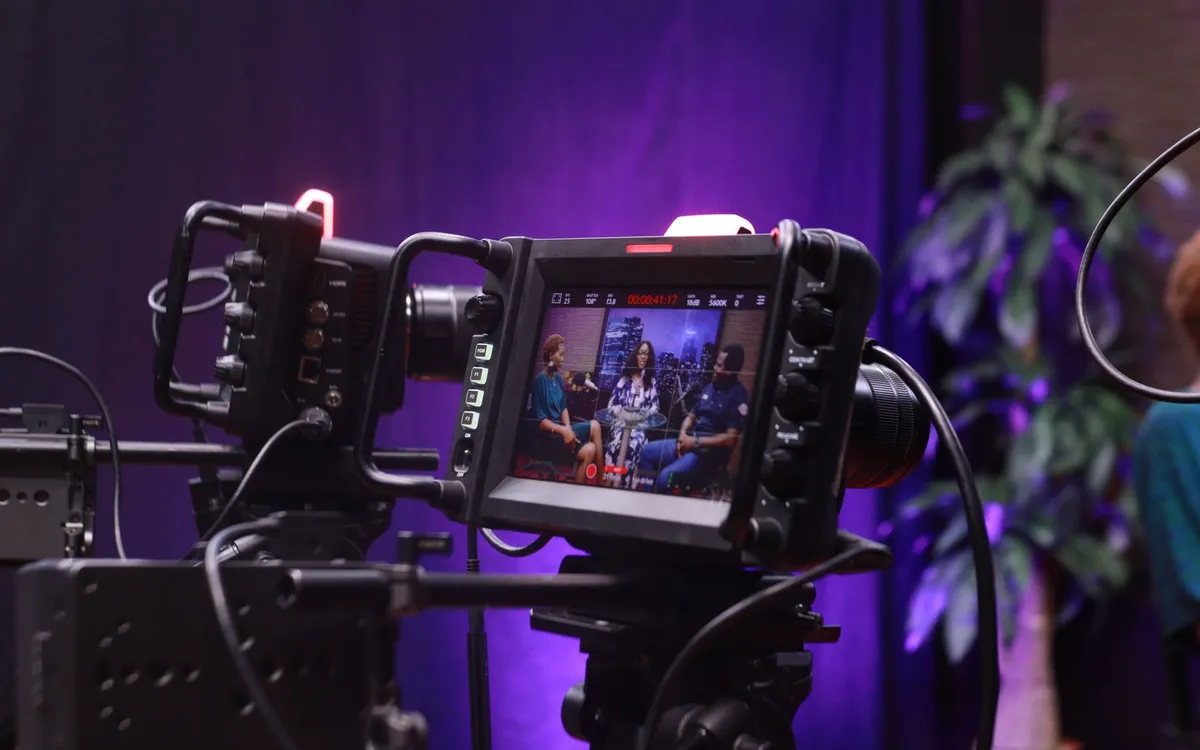
Every documentary is an argument that says, implicitly, “this is true, or true enough.” But it’s also something more unsettling: a relationship between a filmmaker who controls the final cut and real people who don’t. Those subjects trusted someone with their image, their words, sometimes their worst moments, and then handed over the power to shape how all of it appears. That asymmetry is the root of documentary ethics. Nearly every hard question grows out of it.
There’s no licensing board for documentarians, no enforced code like the ones doctors or lawyers swear to. What exists instead is a long, contested conversation about responsibility. Here are the pressure points worth understanding.
Informed consent (and how shaky it is)
The bedrock principle is consent: subjects should understand they’re being filmed and roughly what for. In practice, consent is slippery. A person who agrees to “a film about our town” may have no idea their candid grumbling will become the emotional pivot of the finished work. They can’t consent to an edit that doesn’t exist yet.
This gap matters most with vulnerable subjects — children, people in crisis, those unfamiliar with how media works. The more power imbalance between filmmaker and subject, the heavier the ethical burden. Releases protect the filmmaker legally, but a signed form is the floor of ethical behavior, not the ceiling.
The editing room is a moral space
People imagine documentary ethics as a question of what you shoot. Often it’s really about what you cut. You can defame someone with the truth simply by selection: keep the three seconds where a kind person looks irritated, drop the hour where they were generous, and you’ve lied without faking a frame.
The camera doesn’t lie, but the edit can tell any story it wants from honest footage. Most documentary deception happens in post, not on set.
This is exactly why the supposedly “neutral” forms aren’t off the hook. An observational film claims to just show reality, yet its power comes entirely from selection and juxtaposition — the very tension we examine in what makes a great observational documentary. Choosing not to narrate doesn’t make you objective; it just hides where you put your thumb on the scale.
Should you pay subjects? Should you intervene?
Two of the thorniest questions have no settled answer.
Payment. Journalistic tradition says paying subjects corrupts the record — people will say what they’re paid to say. But the flip side is real: filmmakers profit from subjects’ stories, sometimes for years, while the subjects get nothing. The ethics shift depending on whether you’re making journalism or a more personal, collaborative film.
Intervention. The famous dilemma: if your subject is in danger or doing harm, do you keep filming or put the camera down and help? Direct cinema’s ideal of non-intervention runs straight into basic human decency here. There’s no universal rule, only the obligation to have thought about it before the moment arrives. It’s worth noting that the cinéma vérité tradition was partly a reaction against pretending you’re not in the room at all — a history we trace in direct cinema versus cinéma vérité.
Reenactment, manipulation, and “ecstatic truth”
How much can you stage before a documentary stops being one? Errol Morris reenacted events in The Thin Blue Line and helped free an innocent man, and almost nobody objects, because the staging was clearly marked as interpretation. Werner Herzog openly directs his subjects and calls his goal “ecstatic truth,” arguing poetic truth outranks factual accuracy.
The line most practitioners hold is transparency. Reenactment is fine if the audience understands it’s reenactment. Trouble comes when staging is passed off as captured reality, when a “found” moment was actually engineered, when an interview answer is recut to respond to a question that was never asked. The deception isn’t the staging; it’s the concealment.
The duty that outlasts the film
Here’s the part beginners underestimate. Your responsibility to a subject doesn’t end at the premiere. A documentary can follow someone for the rest of their life. A person portrayed unsympathetically, or simply exposed, lives with that long after the filmmaker has moved to the next project.
The makers of Hoop Dreams stayed connected to their subjects for years. Other films have left subjects feeling betrayed by an edit they never anticipated. The question to sit with: am I willing to show this person the finished film and look them in the eye? If the honest answer is no, something is probably wrong.
A working checklist
No code fits every film, but these questions travel well:
| Question | Why it matters |
|---|---|
| Does the subject genuinely understand the project? | Consent is meaningless without comprehension |
| Would the edit hold up if the subject watched it beside me? | Tests selection bias |
| Am I representing the whole, or just the convenient slice? | Truthful selection vs. distortion |
| Have I thought about intervention before I need to? | You won’t have time in the moment |
| What do I owe this person after release? | The duty outlasts the shoot |
Why this isn’t just hand-wringing
Ethics in documentary aren’t a soft add-on to the real work of filmmaking. They are the work, because the form’s entire claim to value rests on a kind of trust — with subjects and with audiences. A documentary that betrays its subjects or deceives its viewers can be technically brilliant and still be a failure on the only terms that finally matter.
The films that last, from Ivy Meeropol’s careful balancing in Indian Point to the long-haul commitment of Hoop Dreams, tend to be the ones whose makers took these questions seriously without using them as an excuse for timidity. Rigor and courage aren’t opposites here. For more on the form and the people wrestling with it, the documentaries hub is where to keep reading.
Some links on Indian Point Film are affiliate links: if you buy or subscribe through them we may earn a commission, at no extra cost to you. It never changes our recommendations.
Keep reading

Why 'Indian Point' Still Matters in the Nuclear Debate
Ivy Meeropol's portrait of an aging reactor on the Hudson is less about meltdowns than about who gets to decide what counts as safe.
Direct Cinema vs Cinéma Vérité: What's the Difference?
The fly on the wall versus the provocateur with a camera — the two great observational traditions are closer in look than in belief.

The Six Documentary Modes of Bill Nichols, Explained
Poetic, expository, observational, participatory, reflexive, performative — a working map of how documentaries actually behave.