Direct Cinema vs Cinéma Vérité: What's the Difference?
Two observational movements get conflated constantly. Here's how direct cinema and cinéma vérité actually differ in method and philosophy.
People use “cinéma vérité” as a catch-all for any documentary where nobody narrates and the camera seems to just hang around. It’s a useful shorthand and a slightly lazy one, because it collapses two distinct traditions that disagreed, sometimes sharply, about what a camera should do in a room. On one side: American direct cinema. On the other: French cinéma vérité. They emerged at almost the same moment, around 1960, made possible by the same technology, and they reached nearly opposite conclusions.
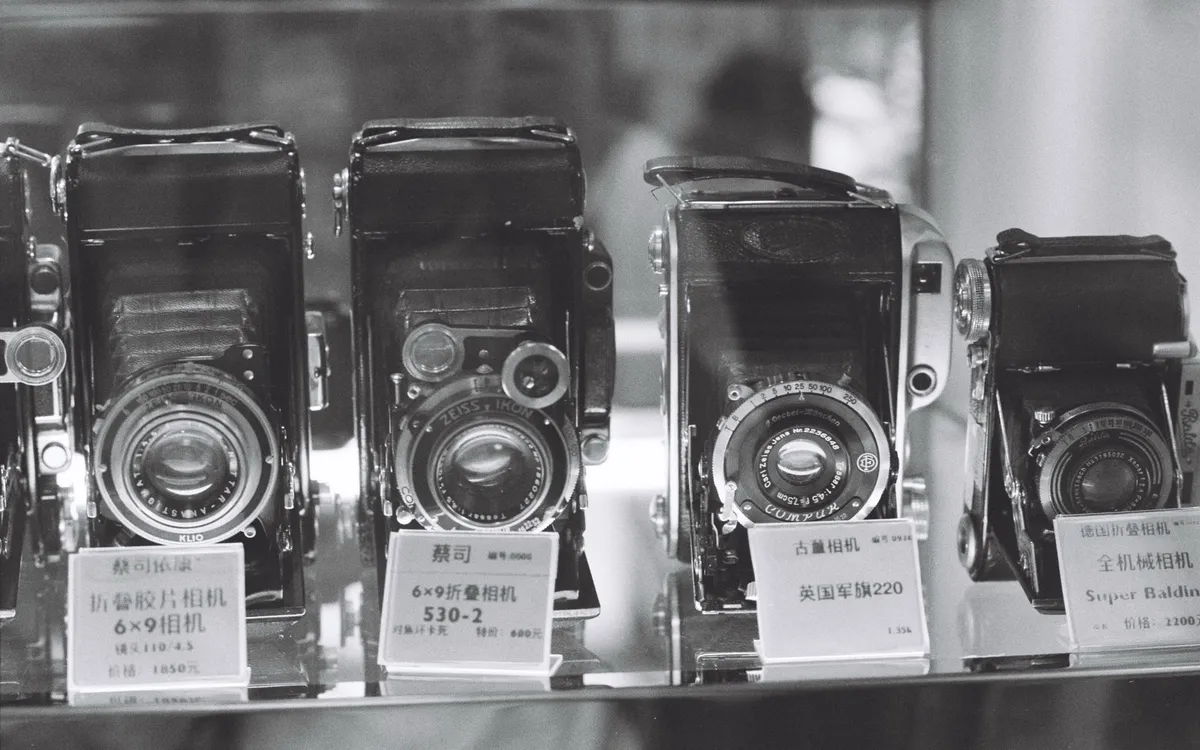
The enabling tech is the same story for both. Lightweight 16mm cameras, portable sync-sound recorders like the Nagra, faster film stock. Suddenly a small crew could follow a person down a hallway, into a car, through a crowd, and record clean audio without a studio. What each movement did with that freedom is where the split begins.
Direct cinema: the fly on the wall
Direct cinema is the American strain, associated with Robert Drew, Richard Leacock, D. A. Pennebaker, and the Maysles brothers. Its founding ambition was self-effacement. The filmmaker tries to become invisible, to capture life as if the camera weren’t there, to never intervene. The ideal is observation so patient that the subject forgets to perform.
You can see the philosophy in the canonical films:
- Primary (1960) — Drew’s crew follows Kennedy and Humphrey through the Wisconsin primary, hanging back, catching unguarded moments.
- Salesman (1969) — the Maysles trail door-to-door Bible salesmen and let the quiet despair accumulate.
- Don’t Look Back (1967) — Pennebaker shadows Dylan on tour and mostly just watches.
The director’s job, in this view, is to choose where to point the camera and then to get out of the way. Editing carries the meaning; the shoot stays hands-off. The risk, of course, is the fantasy of pure neutrality. A camera in the room is never truly neutral, a point that comes up again whenever you take documentary ethics seriously.
Cinéma vérité: the provocateur
Cinéma vérité is the French line, and the key names are Jean Rouch and the sociologist Edgar Morin. Their landmark is Chronique d’un été (1961), shot in Paris. The term itself is a translation of Dziga Vertov’s Kino-Pravda, “film truth,” and that lineage matters: Rouch believed the camera didn’t reveal a pre-existing truth so much as it provoked one.
Where direct cinema hides, cinéma vérité shows up and asks questions. Rouch and Morin appear on screen, interview people in the street, gather their subjects to watch the footage and react to it on camera. The camera is a catalyst. The “truth” being sought is the truth that only emerges because the camera is present, the confession or the self-awareness that wouldn’t exist otherwise.
Direct cinema says: pretend we’re not here. Cinéma vérité says: of course we’re here, and that changes everything, so let’s use it.
If you’re tracing where these ideas sit in the broader taxonomy of nonfiction film, it’s worth reading them against Bill Nichols’ six documentary modes, where direct cinema maps loosely onto the “observational” mode and cinéma vérité onto the “participatory.”
A side-by-side
| Direct cinema | Cinéma vérité | |
|---|---|---|
| Origin | United States, c. 1960 | France, c. 1960 |
| Key figures | Drew, Leacock, Pennebaker, Maysles | Rouch, Morin |
| Camera’s role | Invisible observer | Active provocateur |
| Truth is… | Found by waiting | Created by intervening |
| Filmmaker on screen | Almost never | Often |
| Touchstone film | Salesman, Primary | Chronique d’un été |
Why the distinction still matters
This isn’t just film-school trivia. The two philosophies are still arguing inside every documentary made today. A filmmaker who interviews subjects, who appears on camera, who admits the shoot shaped events, is working in the cinéma vérité tradition whether they know the term or not. A filmmaker who cuts all of that out, who presents footage as unmediated reality, is making a direct-cinema claim, and inheriting its central tension about honesty.
Most modern nonfiction is a hybrid. Think of the way contemporary docs mix long observational stretches with talking-head interviews and on-screen directors. That blend is the legacy of both movements colliding. Understanding which impulse is driving a given scene tells you a lot about how much to trust it, and what kind of “truth” it’s even promising.
There’s also a quieter point about honesty. The cinéma vérité crowd would argue that direct cinema’s invisibility was always a polite fiction, since editing alone shapes reality enormously. The direct cinema crowd would counter that announcing yourself, as Rouch did, contaminates the very thing you’re trying to record. Neither side wins, and that unresolved argument is precisely why observational filmmaking stays interesting. If you want to see the observational impulse at its best, our piece on what makes a great observational documentary digs into the craft.
How to spot which one you’re watching
A quick field test: ask who the camera is for. In direct cinema, the camera is for the viewer, a window the subjects supposedly ignore. In cinéma vérité, the camera is partly for the subjects, a mirror they’re invited to react to. Watch for the filmmaker’s voice, for moments where someone addresses the lens, for scenes where people are shown watching themselves. Those are cinéma vérité fingerprints.
Both traditions gave us the visual grammar we now take for granted: handheld immediacy, available light, the dignity of letting a moment run long. The next time someone calls a doc “cinéma vérité,” you’ll know whether they mean it, or whether they mean its quieter American cousin. For more on the form, the full documentaries hub is the place to wander.
Some links on Indian Point Film are affiliate links: if you buy or subscribe through them we may earn a commission, at no extra cost to you. It never changes our recommendations.
Keep reading
Why 'Indian Point' Still Matters in the Nuclear Debate
Ivy Meeropol's portrait of an aging reactor on the Hudson is less about meltdowns than about who gets to decide what counts as safe.
The Six Documentary Modes of Bill Nichols, Explained
Poetic, expository, observational, participatory, reflexive, performative — a working map of how documentaries actually behave.
Werner Herzog's Documentaries, Ranked
He'd tell you facts are the truth of accountants. Here's a ranking of the films where Herzog goes hunting for something stranger.