Documentary Crowdfunding: Pick the Right Platform
Which crowdfunding platform fits your documentary? Match your film's stage, audience and funding model to the right choice, then launch with a plan that holds.
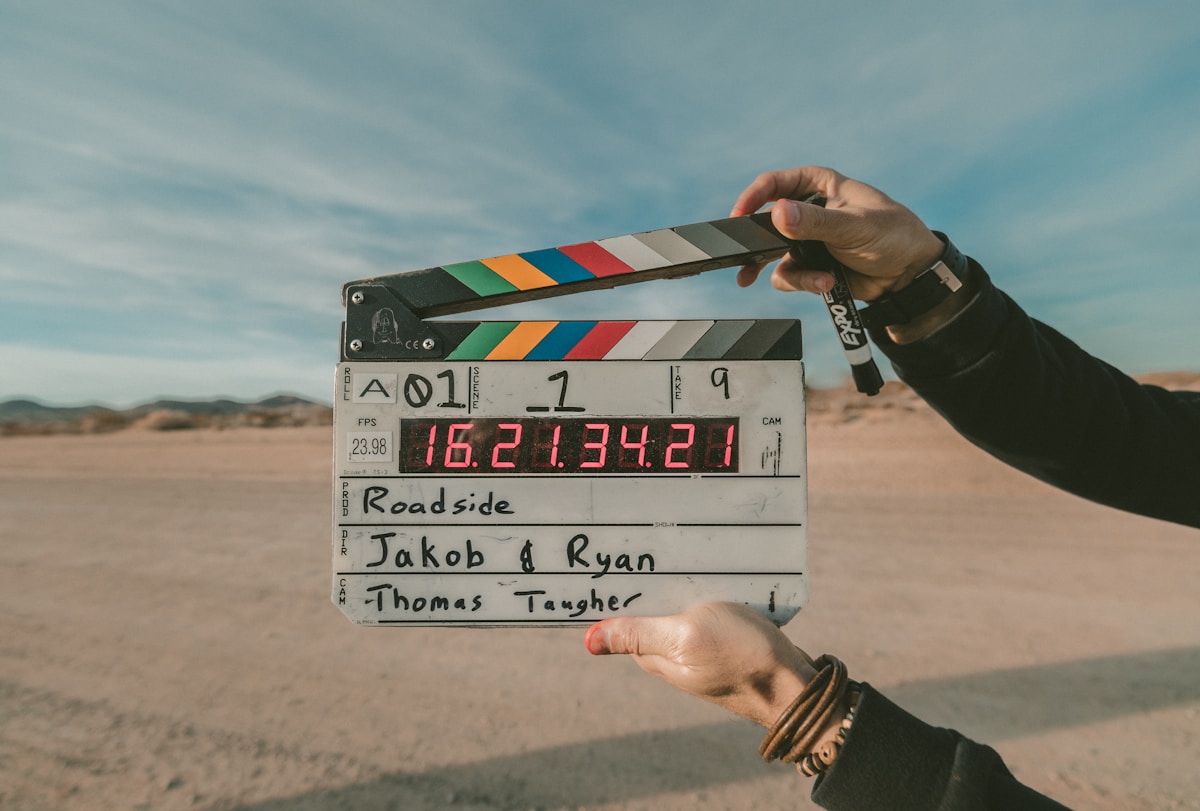
Should you crowdfund your documentary at all, or is a grant application the smarter use of the same three months? That is the question most first-time filmmakers skip, and it is the one that decides whether a campaign feels like momentum or like a slow public failure. Documentary crowdfunding works when you have a reason to gather an audience early, a story people can rally around, and a network willing to give first. It fails when it is used as a substitute for having any plan at all.
When Crowdfunding Is the Right Tool, and When It Is Not
Crowdfunding is not free money. It is a marketing campaign that happens to collect cash. That distinction matters because the effort a real campaign demands (video, updates, emails, social pushes, thank-you fulfilment) is closer to a part-time job than a passive fundraiser. If your film has no natural community, no subject with a built-in audience, and no personal network you can activate, that effort rarely pays back.
It is the right tool in three clear situations. First, when your subject already has a fan base or an issue community that wants the film to exist. Second, when you need proof of audience to show a broadcaster, distributor or grant panel that people care. Third, when you want a small, fast injection of finishing funds and can offer backers something concrete in return.
It is the wrong tool when you are simply short on money and hoping strangers will cover a full production budget. Full six-figure budgets almost never come from public crowdfunding alone. Treat it as one line in a stacked plan that also includes grants, fiscal-sponsored donations and your own labour.
Match the Campaign to Your Film’s Stage
The most common mistake is running the same generic campaign regardless of where the film is. What you are asking for, and what you can honestly promise, changes completely by stage.
- Development. You have a subject, some access, maybe a treatment. Here crowdfunding buys a research trip, a shoot-test or a teaser. Keep the goal small. Backers are betting on you, not on footage they can see.
- Production. You are actively shooting and can show real scenes. This is the strongest stage to crowdfund, because a good campaign video pulls directly from your rushes and proves the film is alive.
- Post-production and finishing. You have a rough cut and need an editor, a composer, colour and sound. Backers can watch a clip and understand exactly what their money completes. This stage converts well because the risk looks low.
- Outreach and distribution. The film is done and you are funding festival fees, an impact campaign or a self-release. Your existing viewers become your funders.
Naming your stage honestly protects your credibility. Nothing erodes trust faster than a “production” campaign whose video is clearly a slideshow of stills because no footage exists yet. If you are weighing crowdfunding against traditional money at the same moment, it helps to first map the documentary grants that fund each stage separately, because a finishing grant and a development grant answer to different gatekeepers entirely. Many filmmakers run a modest campaign precisely to show a grant panel that an audience already exists, which turns the two funding paths into a sequence rather than a choice.
The Three Funding Models, and What They Cost You
Every platform runs on one of three models, and the model matters more than the brand name on the page. Choose the model first, then the platform.
All-or-nothing. You set a goal and a deadline. Hit the goal and you keep the money; miss it and every backer is refunded. Kickstarter runs an all-or-nothing model: miss your target and you walk away with nothing, no matter how close you came. The upside is urgency. A goal that might not be met pushes your network to give and to share, and the deadline creates a real reason to act today rather than someday.
Flexible or keep-what-you-raise. You keep whatever you collect, goal or not. This lowers the pressure but also lowers the urgency, and platforms usually charge a higher fee when you fall short of your target. It suits films that can genuinely use any amount, where even a partial raise pays for a real thing.
Threshold or film-native. Some platforms built for filmmakers release your funds once you cross a published threshold that sits below the full goal, blending the safety of flexible funding with a version of the all-or-nothing green light. These platforms often add film-specific tools: distribution partnerships, festival visibility and audience-building features that a general platform does not offer.
| Model | You keep the money if | Best for | Main trade-off |
|---|---|---|---|
| All-or-nothing | You hit 100% of the goal | Campaigns with a strong, activatable network | Miss the goal, get nothing |
| Flexible | Always, at any amount | Films that can use partial funds | Weaker urgency, often higher fee below goal |
| Film-native threshold | You cross a set threshold | Filmmakers wanting industry tools | Smaller, film-focused audience pool |
Fees follow a common shape across platforms: a platform cut plus separate payment-processing charges, often somewhere around five percent for the platform before processing. Rates change, so read the current fee schedule on the platform itself rather than trusting a number in any article, including this one.
Criteria for Choosing a Platform
Once you know your model, weigh the platforms against criteria that actually move the outcome, not the ones marketing pages emphasise. Rank them roughly in this order:
- Where your audience already is. Backers give on platforms they trust and have used before. If your community lives on a general site, a film-native platform’s extra tools will not save a campaign no one can find.
- Tax-deductibility. In the United States, a fiscal sponsor converts your backers’ pledges into tax-deductible donations, which meaningfully raises what larger donors will give. If big gifts are part of your plan, understanding how to route donations through a fiscal sponsor for filmmakers can matter more than the platform brand, since a single deductible five-figure gift can outweigh a hundred small pledges.
- Model fit. Match the funding model to your confidence. Strong network and a firm number: all-or-nothing. Uncertain reach but real need: flexible or threshold.
- Film-specific features. Distribution links, festival exposure and audience analytics only count if you will use them. For a pure finishing push to your own list, they are noise.
- Payout timing and geography. Confirm the platform pays out in your currency and country, and how long funds take to arrive after the campaign closes. A gap here can stall a shoot you scheduled around the money.
Do not choose on fee percentage alone. A one-point fee difference is trivial next to whether your backers can find the page and whether their gift is deductible.
What a Fundable Campaign Actually Needs
Platform choice sets the stage, but the campaign itself lives or dies on a few assets prepared before launch. The single most important is the video. A campaign video does the work of a pitch: it shows the subject, proves access, and puts a face to the ask. Many filmmakers repurpose their fundraising cut here, and it is worth studying how a documentary sizzle reel is cut for audience appeal before you shoot anything new for a campaign. Keep it short. Two to three minutes holds attention; five minutes loses it, and a viewer who clicks away rarely comes back to pledge.
Beyond the video, a real campaign needs three things ready on day one:
- The launch-day network math. Campaigns that reach roughly a third of their goal in the first two or three days tend to finish; those that limp out of the gate rarely recover. Line up enough early backers privately, before you go public, that the page never looks empty.
- Rewards you can actually deliver. Digital downloads, credits and screening invites scale; hand-mailed merchandise does not. Every reward is a promise you will spend time keeping, so price the fulfilment, not just the gift.
- An update rhythm. Plan short updates across the run, not one panicked message near the deadline. Momentum is manufactured by consistent contact with people who already believe in the film.
None of this requires a big budget. It requires deciding, before launch, that you will run the campaign like the job it is for its full duration.
Your Documentary Crowdfunding Decision, Step by Step
Pulling it together, here is the order to work through before you build a single campaign page:
- Decide if crowdfunding fits. Confirm you have a community, a story people rally around, and a network that will give first. If not, spend the time on grants instead.
- Name your stage. Development, production, finishing or outreach, and set a goal your network can realistically carry.
- Choose your funding model. All-or-nothing for urgency and a firm number, flexible for lower risk, film-native threshold for industry tools.
- Pick the platform on real criteria. Audience location and tax-deductibility first, features and fees last.
- Prepare the assets before launch. A strong video, private early backers lined up, deliverable rewards, and a planned update schedule.
- Launch hard, then keep showing up every few days until the deadline.
Run in that order and crowdfunding stops being a gamble and becomes what it should be: a structured way to prove your documentary has an audience while it funds the next stage of the work.
Some links on Indian Point Film are affiliate links: if you buy or subscribe through them we may earn a commission, at no extra cost to you. It never changes our recommendations.
Keep reading
Documentary Sizzle Reel: Cut the Version Each Funder Wants
A sizzle reel isn't one deliverable — it's a small family of cuts, each built for a different funding room. Match the cut to who's watching and what they're deciding.
Music Licensing for Documentaries: Avoid the Recut
A recorded song isn't one license, it's two — and the cheap 'festival use only' shortcut is what forces filmmakers to recut around music they can no longer afford.
Documentary Release Form: What It Must Cover
A release is not a courtesy to your subjects — it is the evidence that you own the footage you are trying to sell. Here is what the paperwork must actually cover.