Do You Need E&O Insurance for Your Documentary?
What errors & omissions insurance covers, why distributors and broadcasters demand it, what it costs, and how clearances and fair use feed the application.
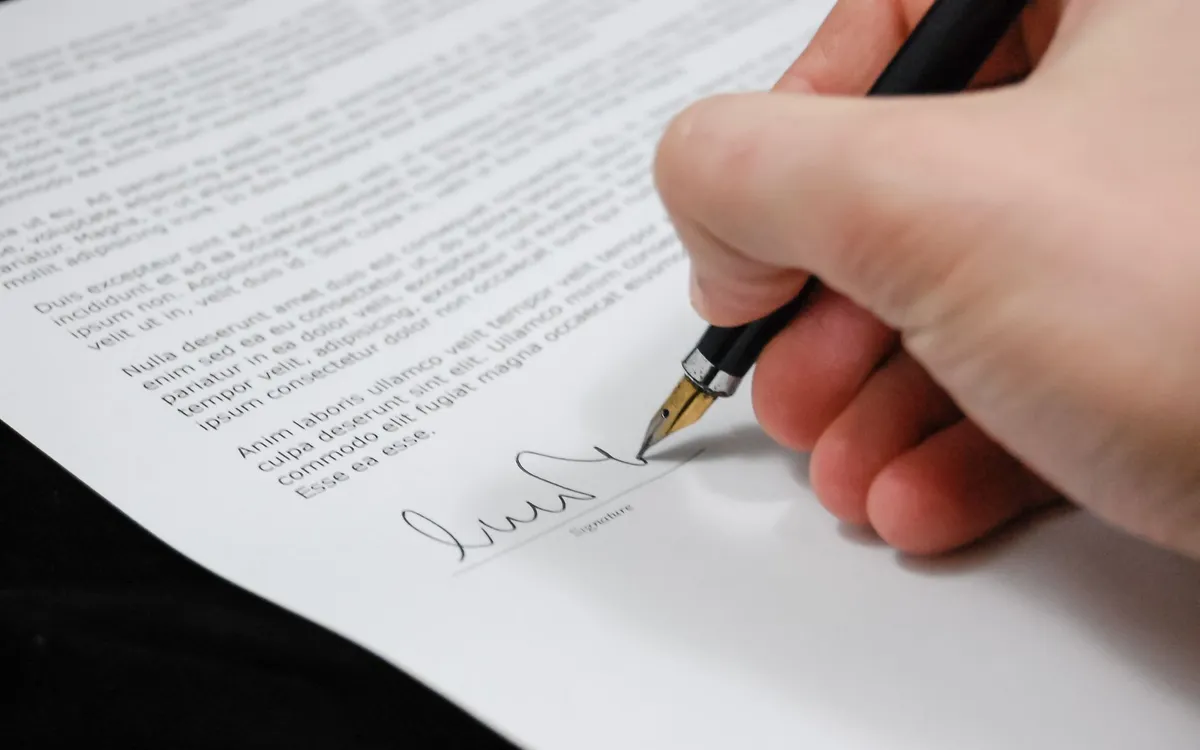
There’s a particular kind of dread that hits documentary filmmakers late in the process, usually right when a distributor says yes. The deal memo lands, you skim the requirements, and there it is: errors & omissions insurance. You’ve never bought it, you’re not sure what it costs, and suddenly there’s a line item nobody warned you about between you and your release. Let’s demystify it.
I’m a producer, not an insurance broker or a lawyer, so treat this as orientation and get real quotes and real legal advice for your specific film.
What E&O insurance actually covers
Errors & omissions (E&O) insurance protects you against legal claims arising from the content of your film — the stuff that isn’t physical risk. It’s the policy that responds if someone sues over:
- Copyright or trademark infringement — you used footage, music, a logo, or a clip you didn’t properly clear.
- Defamation — someone claims your film falsely damaged their reputation.
- Invasion of privacy or right of publicity — you used someone’s image, likeness, or private information without proper rights.
- Title or idea claims — disputes over your film’s title or alleged copying.
It doesn’t cover a camera falling off a cliff or a crew injury — that’s production insurance, a separate thing. E&O is specifically about the intellectual-property and reputational exposure baked into nonfiction storytelling, which is exactly the kind of exposure documentaries carry in spades.
Why you’re being asked for it
Here’s the blunt truth: you usually don’t buy E&O because you’re scared of being sued. You buy it because a distributor or broadcaster won’t release your film without it. Major streamers, TV networks, and serious theatrical distributors require E&O coverage as a standard condition of any distribution deal. It protects them as much as you. No policy, no deal — so for any film with real commercial distribution ambitions, E&O isn’t optional, it’s a deliverable.
If you’re only ever screening at festivals and community events with no broadcaster or distributor attached, you may not strictly need it. But the moment a distribution conversation gets serious, the question of E&O arrives with it.
What it costs (roughly, and why it varies)
I won’t quote you a number, because premiums depend heavily on your film’s content and risk profile, the coverage limits required, the term, and the insurer. A gentle nature documentary with everything licensed is a very different risk than an investigative film naming powerful people and leaning on fair use. The cleaner your clearances and the lower your risk, the more affordable and obtainable the coverage.
The practical point: build E&O into your budget early. Filmmakers who treat it as an afterthought get an unwelcome surprise at the finish line, sometimes a four- or five-figure one, right when cash is tightest. Put it in the budget alongside festival fees and finishing costs from the start.
How clearances and fair use feed the policy
This is the part that catches people: you can’t just buy E&O like a phone plan. The insurer (and a lawyer) will scrutinize how you handled rights, and the application typically requires:
- A clearance review. Documentation that you licensed or cleared the third-party material in your film — footage, stills, music, artwork, trademarks visible on screen.
- Signed releases. Appearance releases from subjects, location releases where needed.
- A fair-use opinion, where relevant. If part of your film relies on fair use rather than licensing, the insurer usually wants a lawyer’s fair-use opinion letter supporting those uses. This is exactly why the best-practices approach matters — see our fair use guide. A well-reasoned fair-use claim that follows recognized norms is insurable; a hand-wavy one often isn’t.
- An errors & omissions questionnaire. A detailed form about your content, sources, and potential exposure.
In other words, E&O isn’t a standalone purchase — it’s the culmination of doing your rights work properly throughout the film. Sloppy clearances don’t just risk a lawsuit; they make the film harder or more expensive to insure, which can sink a deal.
A practical sequence
Roughly, the order that works:
- Track rights from day one. Keep a clearance log of everything you shoot, license, or claim as fair use, with the paperwork attached.
- Get releases as you go. Chasing a subject for a signature a year later is misery; get it on the day.
- Bring in a lawyer before locking picture. They review clearances and write any fair-use opinion. This is also when you confirm whether a fiscal sponsor or grant requirements affect anything.
- Apply for E&O once the film is essentially clean. With clearances and opinions in hand, the application and quote go far more smoothly.
- Deliver the policy to your distributor as part of your contractual deliverables.
For non-US filmmakers
E&O insurance exists internationally and the broad logic — content-risk coverage that distributors require — is similar across markets. But the legal exposures it’s protecting against (defamation standards, privacy and personality rights, the scope of permissible quotation) are governed by national law and differ significantly between, say, the US, the UK, and France. The droit à l’image and privacy protections in France, for instance, are notably strong. So while the concept travels, the terms, availability, and underwriting are local. Talk to a broker who insures audiovisual work in the jurisdiction where your film is produced and distributed.
None of this is legal or insurance advice. But the headline is simple: if your documentary is heading toward real distribution, E&O is coming, and the best way to make it affordable and obtainable is to do your clearances and fair-use work cleanly from the start. The policy is just the receipt for having done the homework.
Some links on Indian Point Film are affiliate links: if you buy or subscribe through them we may earn a commission, at no extra cost to you. It never changes our recommendations.
Keep reading
Documentary Crowdfunding: Pick the Right Platform
Crowdfunding is a marketing campaign that happens to collect cash. Match your film's stage, audience and funding model to the right platform, then launch with a plan that holds.
Documentary Sizzle Reel: Cut the Version Each Funder Wants
A sizzle reel isn't one deliverable — it's a small family of cuts, each built for a different funding room. Match the cut to who's watching and what they're deciding.
Music Licensing for Documentaries: Avoid the Recut
A recorded song isn't one license, it's two — and the cheap 'festival use only' shortcut is what forces filmmakers to recut around music they can no longer afford.