Werner Herzog's Documentaries, Ranked
From Grizzly Man to Cave of Forgotten Dreams, a ranked tour through Werner Herzog's nonfiction films and his idea of 'ecstatic truth'.
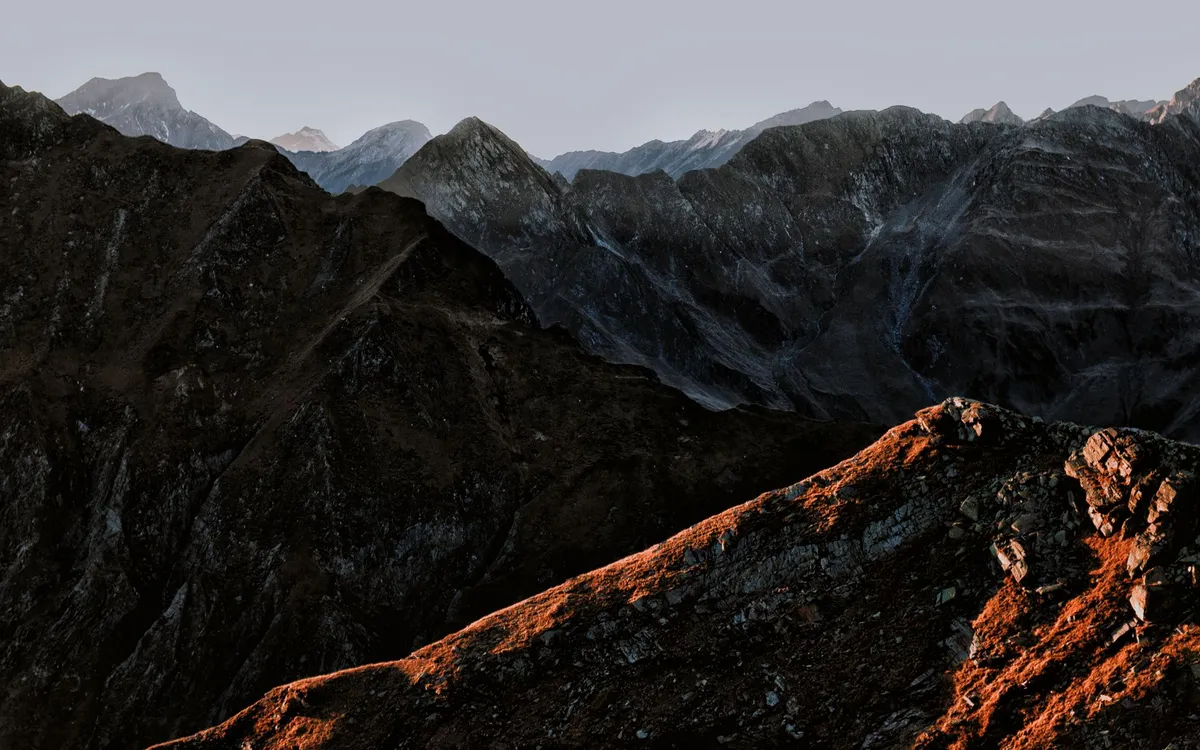
Ranking Werner Herzog’s documentaries is a slightly absurd exercise, which is fitting, because Herzog has spent fifty years insisting that the documentary itself is a slightly absurd category. He doesn’t believe in journalistic neutrality. He coined the phrase “ecstatic truth” to describe what he’s after: a deeper, poetic truth that mere facts (“the truth of accountants,” as he likes to say) can’t reach. He’ll stage a scene, feed a subject a line, or narrate over the images in that unmistakable Bavarian drawl, all in service of something he considers more honest than honesty.
So this list isn’t really about accuracy. It’s about which films best fuse Herzog’s obsessions: nature’s indifference, human delusion, the thin membrane between civilization and chaos. Reasonable people will reorder these. That’s part of the fun.
8. Wheel of Time (2003)
A patient look at Tibetan Buddhist pilgrimage and the Kalachakra initiation. Lovely, contemplative, and minor by Herzog standards. The detachment that serves him elsewhere here keeps the film at arm’s length. Worth seeing, easy to forget.
7. The White Diamond (2004)
An engineer tries to fly a small airship over the Guyanese rainforest canopy. The film is gorgeous and full of Herzogian fixation on a man’s impossible dream, but it meanders. The famous sequence of a rooster supposedly hiding footage of a man’s death is pure Herzog mischief about what a camera can and can’t show.
6. Lessons of Darkness (1992)
Herzog films the burning Kuwaiti oil fields after the Gulf War as if they were footage from another planet, scored to Wagner and Mahler, with almost no context. It’s an ethical lightning rod: aestheticizing a manmade catastrophe. It’s also unforgettable, and it’s the purest demonstration of “ecstatic truth” as a method. Whether that method is defensible is exactly the kind of question we chew on in our piece on documentary ethics.
5. Encounters at the End of the World (2007)
Herzog goes to Antarctica and finds, predictably, less interest in penguins than in the eccentrics who choose to live at McMurdo Station. The deranged penguin walking alone toward the mountains, toward certain death, is one of his great images. The film is shaggy, funny, and quietly despairing about the planet.
4. Into the Abyss (2011)
A death-row documentary, and Herzog’s most restrained. He interviews a young man days before his execution, along with victims’ families and prison staff. There’s no editorializing about capital punishment, just an accumulation of human detail so heavy it becomes an argument on its own. Proof that Herzog can do something close to the observational tradition when he wants, though he’d never call it that. If you want context on that tradition, our breakdown of observational documentary sets it up.
3. Cave of Forgotten Dreams (2010)
Herzog gets unprecedented access to the Chauvet Cave in France, home to the oldest known cave paintings — drawings made roughly 30,000 years ago. Shot in 3D (a rare case where the gimmick earned itself), the film is a genuine wonder. His narration spirals into questions about consciousness and art and time. The notorious postscript about albino crocodiles is either the best or worst thing in it, depending on your tolerance for Herzog being Herzog.
“Facts create norms, and truth illumination.” That’s his whole credo in five words, and these films are the proof of concept.
2. Little Dieter Needs to Fly (1997)
Dieter Dengler, a German-born U.S. pilot, was shot down over Laos and survived a brutal POW ordeal and escape. Herzog re-stages elements of Dengler’s compulsions and memories, openly directing his subject, and the result is more revealing than any straight retelling. Herzog later remade it as the fiction film Rescue Dawn, but the documentary is the superior work. It’s the clearest case study in how he uses participation to reach the “ecstatic” — and a useful companion to our look at direct cinema versus cinéma vérité, since Herzog belongs firmly to neither and cheerfully steals from both.
1. Grizzly Man (2005)
The masterpiece, and not a controversial pick. Herzog assembles the footage shot by Timothy Treadwell, who spent thirteen summers living among Alaskan grizzlies before one of them killed and ate him. The film is a duel between two worldviews: Treadwell’s sentimental belief in nature’s harmony, and Herzog’s conviction that nature is “chaos, hostility, and murder.”
The scene where Herzog listens to the audio of Treadwell’s death on headphones, then tells Treadwell’s friend to destroy the tape and never listen to it, is one of the most ethically charged moments in any documentary. He refuses to play it for us. For once, the provocateur chooses restraint, and it lands harder than any image could.
The takeaway
Herzog’s nonfiction works because he’s honest about his dishonesty. He tells you upfront that he’s shaping, staging, reaching for a poetry beyond the facts. That candor is its own kind of ethics. You can argue he goes too far, and Lessons of Darkness will always invite that argument, but you can never accuse him of pretending the camera is neutral. For more on the form he keeps gleefully breaking, the documentaries hub has the rest.
Some links on Indian Point Film are affiliate links: if you buy or subscribe through them we may earn a commission, at no extra cost to you. It never changes our recommendations.
Keep reading
Why 'Indian Point' Still Matters in the Nuclear Debate
Ivy Meeropol's portrait of an aging reactor on the Hudson is less about meltdowns than about who gets to decide what counts as safe.
Direct Cinema vs Cinéma Vérité: What's the Difference?
The fly on the wall versus the provocateur with a camera — the two great observational traditions are closer in look than in belief.

The Six Documentary Modes of Bill Nichols, Explained
Poetic, expository, observational, participatory, reflexive, performative — a working map of how documentaries actually behave.