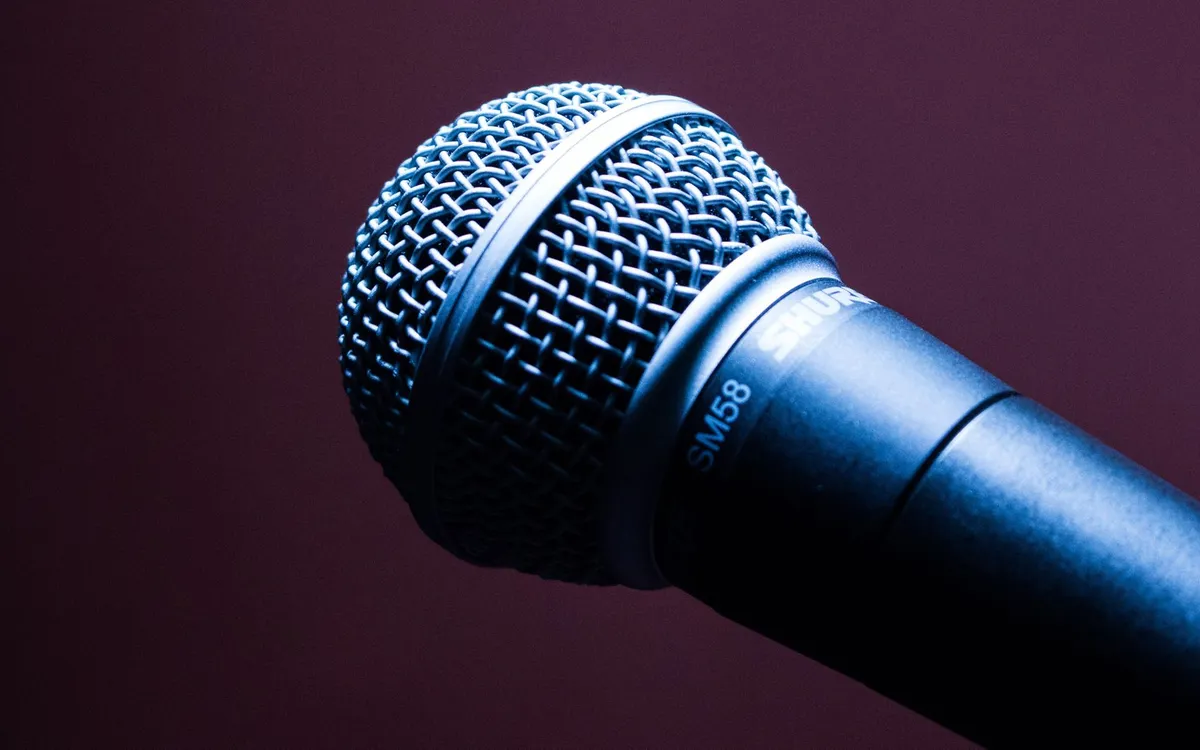
Here’s the thing nobody tells beginners: audiences forgive ugly footage long before they forgive bad sound. A grainy, badly-lit shot reads as gritty or authentic. Muffled, echoey dialogue reads as amateur, full stop — and people reach for the remote. So if you’re shooting interviews and your money is tight, the lavalier mic is the least glamorous and most important purchase you’ll make.
The lav (or lapel mic) sits a hand’s width below the chin, close to the source, which is exactly why it works in untreated rooms. Proximity beats acoustics. A shotgun mic three feet away picks up the room; a lav six inches from the mouth picks up the voice. For seated interviews, a lav is almost always the right call. Let me run through the picks, wired first because wired is cheaper, simpler, and sounds great.
Rode smartLav+ — the broke beginner’s lifeline
It plugs into a phone. That’s the pitch, and it’s a good one. Around $60, the smartLav+ turns a smartphone into a usable audio recorder for a single subject. The capsule is genuinely decent — far better than your camera’s built-in mic. It’s not for multi-person shoots and the cable is short, but as a first mic for someone shooting interviews on no money, it’s hard to beat. I’ve cut broadcast pieces with audio that started life on one of these.
Audio-Technica ATR3350 / Rode Lavalier GO — wired workhorses
Step up to a proper wired lav and you’re still under $100. The Audio-Technica ATR3350 is the classic cheap-and-cheerful choice with a long cable. The Rode Lavalier GO (around $80) is a small, well-built omnidirectional capsule that plugs into a recorder or the Wireless GO transmitter (more on that below). Both deliver clean, broadcast-adjacent sound for a fraction of the price of a Sennheiser. Run them into a field recorder and you’ve got a tidy little interview rig.
Rode Wireless GO II — the budget wireless that changed everything
Wireless used to mean spending a thousand dollars on a Sennheiser G-series kit. The Rode Wireless GO II (around $300 for the dual-channel version) blew that up. Two tiny transmitters, one receiver, onboard recording as a backup, and you can clip a transmitter straight to a shirt as its own mic or plug a proper lav into it. For run-and-gun interviews where you can’t run cables, this is the kit I reach for. It’s not flawless — RF can get crowded in cities — but for the money it’s remarkable.
Sennheiser ME 2 / EW 112P — the step up when you can afford it
When the budget loosens, the Sennheiser evolution wireless system (the EW 112P kit, often a few hundred dollars used) is the broadcast standard for a reason: rock-solid RF, a discreet ME 2 lav capsule, and a sound your editor will thank you for. It’s heavier and more expensive than the Rode, but on a shoot where you can’t afford a dropout, it earns its keep.
Quick comparison
| Mic | Type | Best for | Rough price |
|---|---|---|---|
| Rode smartLav+ | Wired (phone) | First mic, single subject | ~$60 |
| Rode Lavalier GO | Wired capsule | Recorder/transmitter combos | ~$80 |
| Rode Wireless GO II | Wireless | Run-and-gun interviews | ~$300 (dual) |
| Sennheiser EW 112P | Wireless | Broadcast reliability | varies (used) |
How to choose — and how to use it
If you only ever shoot one person sitting down and money is the constraint, a wired lav into a recorder is all you need. Cable is cheaper than RF, never drops out, and never needs batteries at the worst moment. Buy wireless only when you genuinely need freedom of movement.
Whatever you buy, technique matters more than the badge. Position the capsule about a hand’s width below the chin, dead center. Hide the cable under the shirt and dress it so clothing doesn’t rub the capsule — that scratchy noise is the number-one rookie mistake, and it’s unfixable in post. Use a foam or fur windscreen outdoors, always. And monitor with headphones while you record; a problem you hear in the moment costs nothing to fix, while a problem you discover in the edit can cost you the whole interview.
One more habit worth building: even with a single lav, record a second source if you can — your camera’s onboard mic, a phone, the Wireless GO’s internal recording. Audio gear fails quietly and at the worst possible time. A backup track is the cheapest insurance in this business. If you’re assembling a full kit from scratch, the lav is where I’d spend first — see the complete sub-$2,000 kit for how it fits with everything else.
The Best Lavalier Microphones for Interviews on a Budget
We test and recommend documentary gear independently. Buying through our partner links helps fund the magazine, at no extra cost to you.
Browse gear at B&HSome links on Indian Point Film are affiliate links: if you buy or subscribe through them we may earn a commission, at no extra cost to you. It never changes our recommendations.
Keep reading
The Best Cameras for Documentary Filmmaking
Forget the spec-sheet wars. Here's what a documentary camera actually needs to do, and the bodies that do it.
The Best Audio Recorders for Documentary Sound
Your camera records sound. It records it badly. Here's why a dedicated field recorder belongs in your bag, and which one to buy.
The Best Budget Gimbals for Run-and-Gun Shooting
A gimbal turns shaky handheld into smooth, moving footage — if you pick the right one and don't fight it. Here's what to buy.