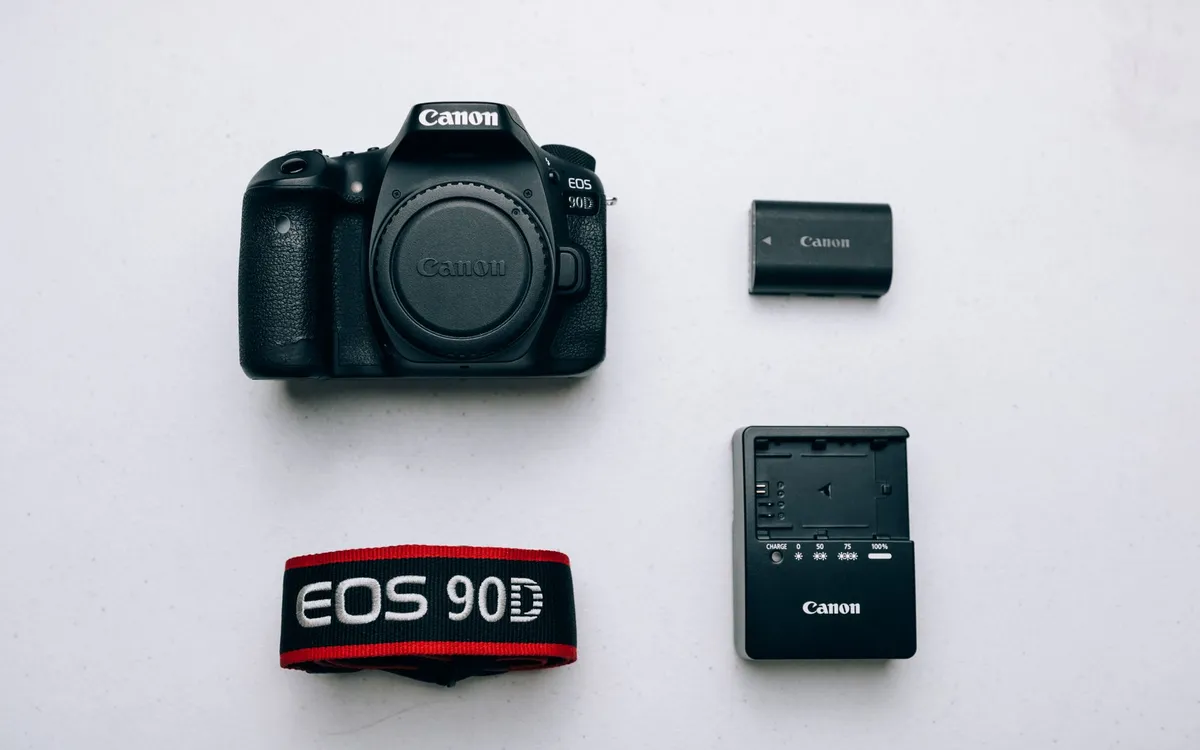
People assume you need ten thousand dollars of gear to shoot a serious documentary. You don’t. You need a sensible camera, one good lens, clean sound, a bit of light, and something to keep the picture steady. Spend wisely across all five and you’ll out-shoot someone who blew their whole budget on a fancy body and recorded their audio on the camera’s built-in mic.
The trap beginners fall into is putting 90% of the money into the camera. That’s backwards. A modest camera with great sound and one sharp lens makes a film that looks and sounds professional. An expensive camera with bad sound makes a film people switch off. So here’s how I’d actually allocate roughly $2,000 — buying used where it makes sense, because used gear is how this number works at all.
The breakdown
| Category | Pick | Rough cost |
|---|---|---|
| Camera | Panasonic GH5 (used) | ~$700 |
| Lens | Sigma 18-35mm f/1.8 (used) | ~$450 |
| Sound | Rode Wireless GO II + recorder | ~$350 |
| Light | Godox SL60W ×2 + softbox | ~$300 |
| Support | Tripod + small gimbal | ~$200 |
| Total | ~$2,000 |
Camera: Panasonic GH5 (~$700 used)
The GH5 is the heart of this kit. Used, it’s around $700 and it gives you 10-bit internal recording, unlimited record times, and good in-body stabilization — all things that matter far more in documentary than the last word in sensor size. Micro Four Thirds also means lenses are cheaper and smaller, which keeps the rest of the budget honest. If low light is your top priority, hunt for a used GH5S instead, but the standard GH5’s stabilization is worth a lot to a solo shooter.
Lens: Sigma 18-35mm f/1.8 (~$450 used)
One lens, but the right one. The Sigma 18-35mm f/1.8 is a legendary zoom — sharp, fast, and flexible enough to cover most interview and verité situations without a lens change. On the GH5’s sensor it gives you a useful range and that f/1.8 aperture is gold in dim rooms. I’d take this one zoom over a bag of cheap primes every day of the week. (More on glass in my full lens guide.)
Sound: Rode Wireless GO II + a cheap recorder (~$350)
This is where most kits go wrong, so don’t skimp. The Rode Wireless GO II gives you wireless audio on your subject with onboard backup recording — clip it straight on or plug in a lav. Pair it with the GH5’s audio or a cheap recorder as a second source. Clean, mobile, reliable interview sound for the price of a kit lens. This single purchase will do more for your film’s perceived quality than anything else on the list.
Light: two Godox SL60W + a softbox (~$300)
Two daylight LEDs and one softbox cover a basic interview setup — a soft key in the box, a second light for backlight or fill. The Godox SL60W is cheap, bright enough, and takes standard modifiers. Add a $20 bounce board for free fill. That’s an interview that looks lit on purpose instead of lit by accident. The interview lighting guide covers how to place them.
Support: a solid tripod + a phone or small gimbal (~$200)
A sturdy fluid-head tripod is non-negotiable for interviews — buy the best one your remaining budget allows, because a wobbly head ruins locked-off shots. For movement, a small gimbal or even a phone gimbal handles your B-roll. You won’t get cinema-dolly smoothness at this price, but you’ll get usable moving shots, which is all most documentaries need.
How to adapt it
This is a starting point, not gospel. Shift the money toward what your project demands.
If your film is mostly interviews, pull cash from the gimbal and put it into a better tripod and a second light — you’ll be locked off most of the time, and the polish comes from sound and light. If it’s mostly observational, on-the-move work, do the opposite: invest in the gimbal and a good wireless rig, and worry less about a formal lighting setup since you’ll be shooting in available light anyway.
Buy used without fear. Cameras and lenses hold up well; the GH5 and that Sigma have been beaten on by thousands of shooters and keep working. The money you save buying a generation-old body is money for sound and light, which never go out of date. A clean lav recording and a soft key light looked good in 2015 and they’ll look good in 2030.
And resist the upgrade itch. This kit will shoot a film good enough for a festival or a broadcaster. What separates that film from a better one isn’t a $4,000 camera — it’s the access you get, the questions you ask, and the patience to wait for the moment. Buy this kit, then go spend your remaining attention on those.
A Complete Documentary Gear Kit Under $2,000
We test and recommend documentary gear independently. Buying through our partner links helps fund the magazine, at no extra cost to you.
Browse gear at B&HSome links on Indian Point Film are affiliate links: if you buy or subscribe through them we may earn a commission, at no extra cost to you. It never changes our recommendations.
Keep reading
The Best Cameras for Documentary Filmmaking
Forget the spec-sheet wars. Here's what a documentary camera actually needs to do, and the bodies that do it.
The Best Lavalier Microphones for Interviews on a Budget
Bad sound kills a documentary faster than bad pictures. Here are the lav mics that'll save your interviews without draining the budget.
The Best Audio Recorders for Documentary Sound
Your camera records sound. It records it badly. Here's why a dedicated field recorder belongs in your bag, and which one to buy.